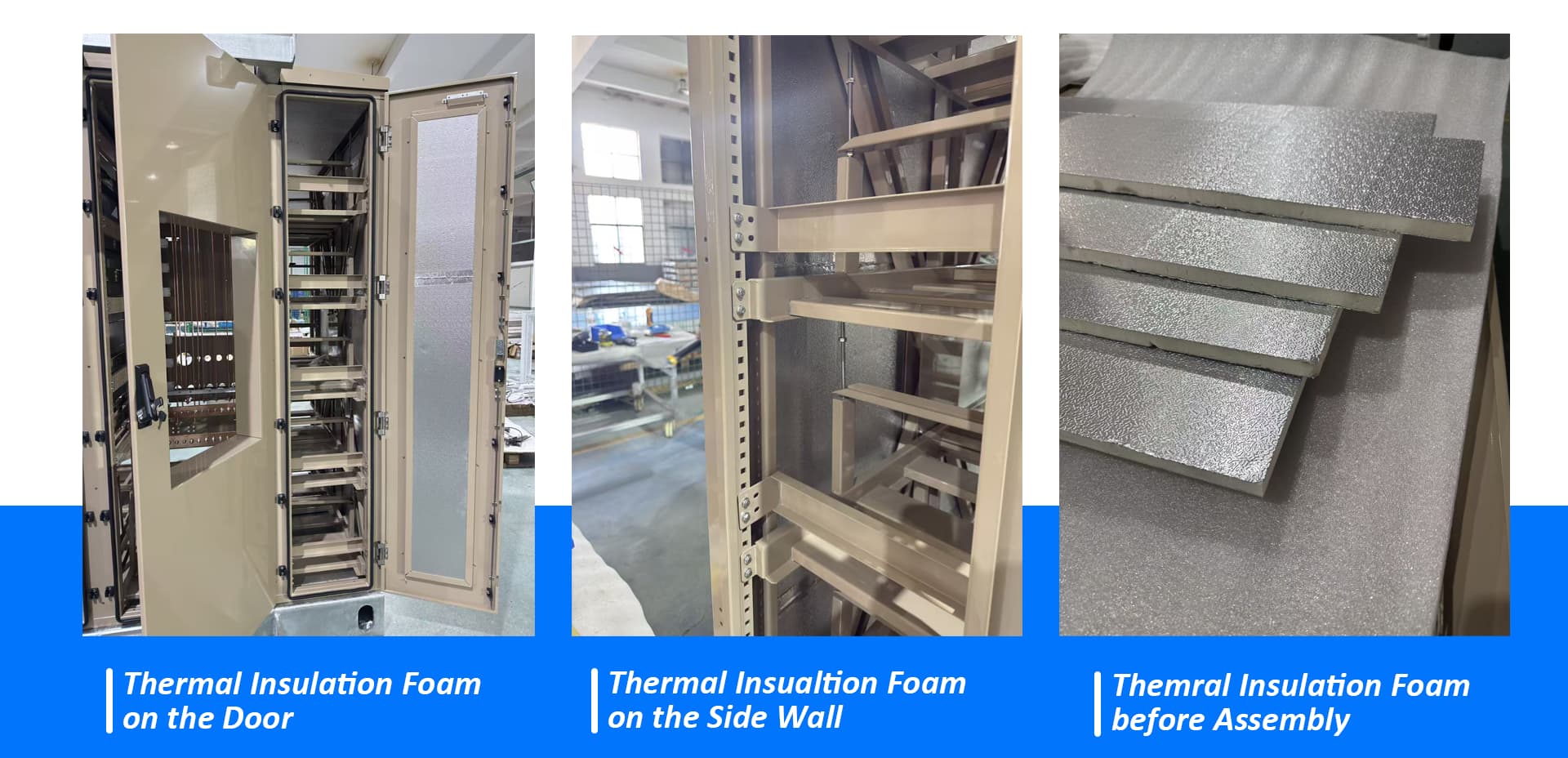
Thermal insulation foam is a critical passive component that enhances the efficiency of active cooling in outdoor cabinets. By physically isolating internal electronics from external temperature swings, our PIR (Polyisocyanurate) foam with double-sided aluminum foil creates a high-performance thermal barrier.
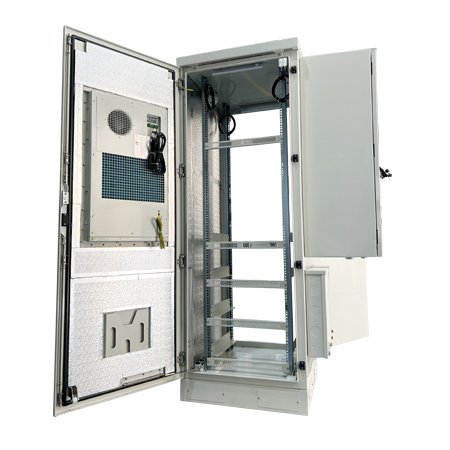
In the structural design of outdoor cabinets, we often refer to the double-skin structure. In this configuration, apart from the outermost sheet metal layer, the second layer typically consists of thermal insulation foam.
1. What is Thermal Insulation Foam?
Thermal insulation foam is a specialized material applied to the inner walls of outdoor cabinets. It is typically a high-tech polymer foam engineered to slow the transfer of heat between the outside environment and the cabinet’s interior. It acts as a thermal barrier that protects sensitive electronic equipment from extreme temperature fluctuations, solar radiation, and condensation.
2. PIR Insulation: Material & Structure
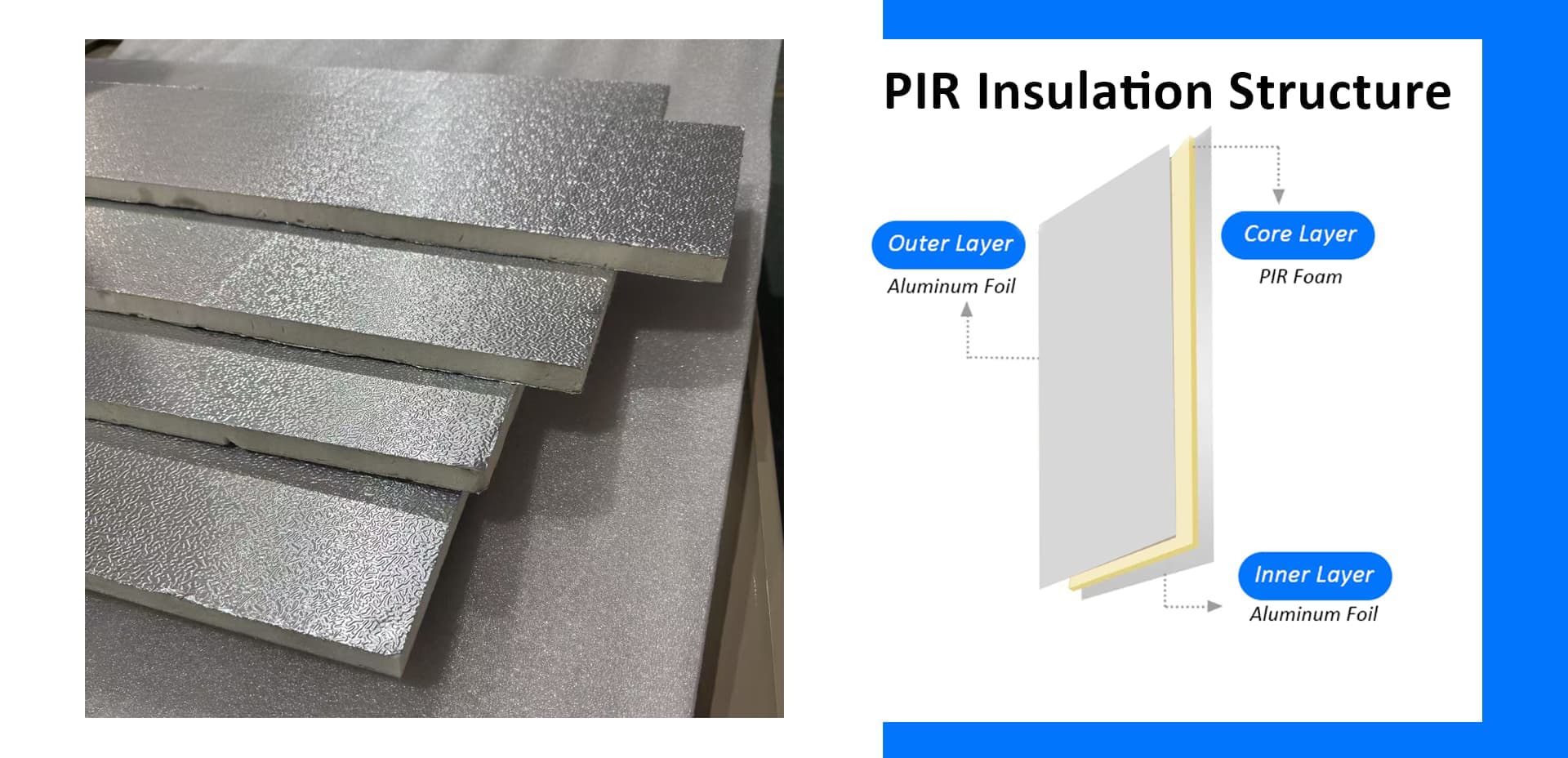
At Ningbo Spring, we understand that effective thermal management starts with the right materials. That’s why we engineer our outdoor cabinets using a three-layer composite structure: double-sided aluminum foil laminated onto a high-performance PIR (Polyisocyanurate) foam core. This combination delivers superior thermal protection across three critical dimensions: material science, thickness optimization, and application flexibility.
2.1 The Structure: Double-Sided Aluminum Foil + PIR Core
Our insulation foam is not a single material—it’s an engineered composite where each layer plays a specific role:
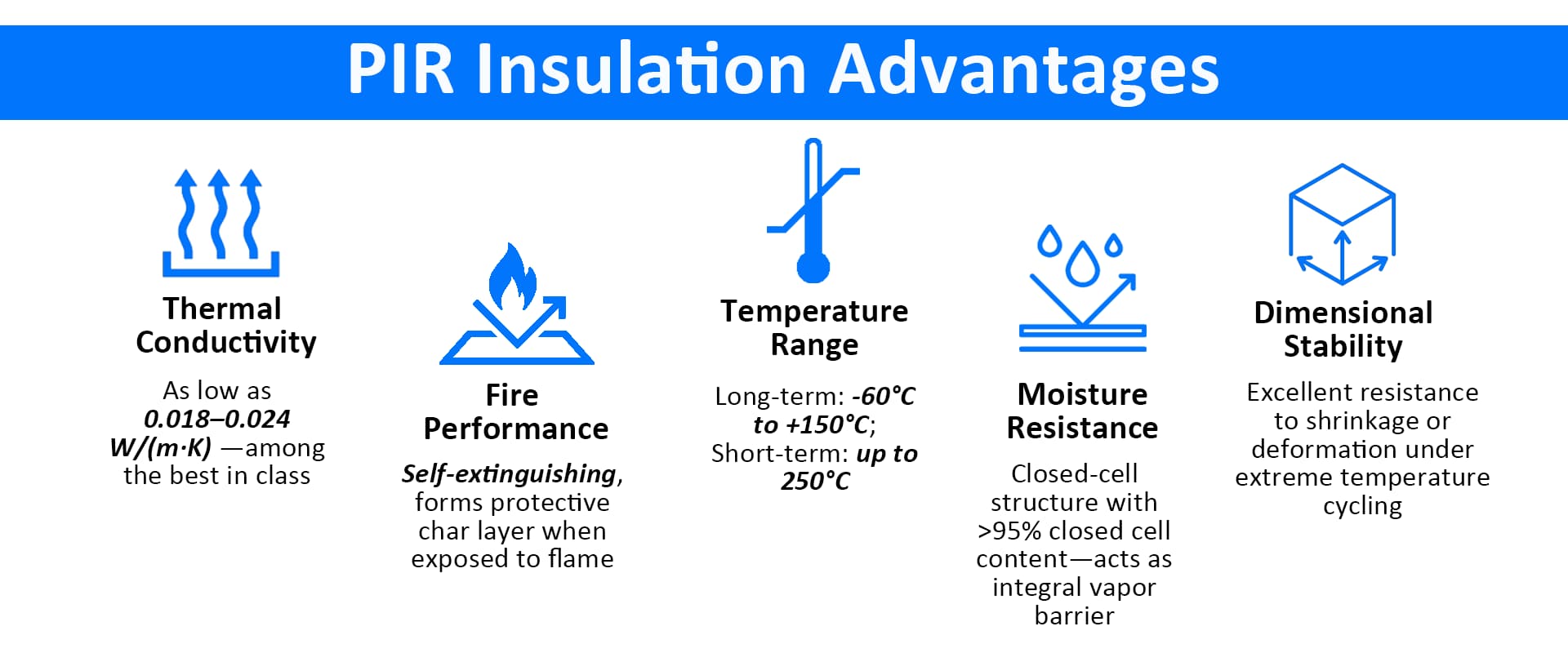
2.2 The Core Material: Why PIR?
PIR represents the next generation of polyurethane technology. Its unique ring-shaped molecular structure (isocyanurate ring) provides enhanced stability compared to standard polyurethane (PUR), making it the preferred choice for demanding outdoor applications.
3. Available Thicknesses: Engineered for Every Climate
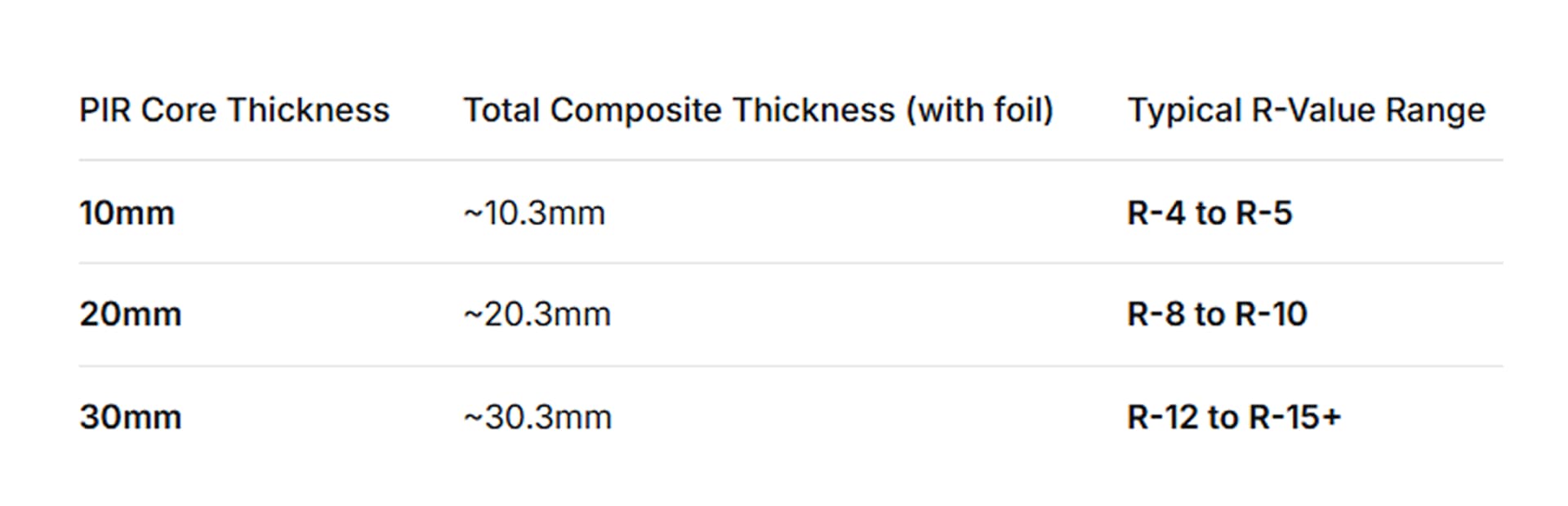
Different installations face different challenges. Ningbo Spring offers three standard thickness options that is 10mm, 20mm, and 30mm for our PIR insulation (measured at the PIR core, excluding the aluminum foil layers), allowing you to match thermal protection to your specific environment.
3.1 Understanding R-Value: The Measure of Thermal Performance
When selecting insulation thickness, the key metric to understand is R-Value (Thermal Resistance).
What it is: R-Value measures a material’s ability to resist heat flow. The higher the R-Value, the better the insulation performance.
How it works: R-Value is calculated as thickness divided by thermal conductivity. For the same material, doubling the thickness roughly doubles the R-Value.
Why it matters: In outdoor cabinets, a higher R-Value means:
Less heat penetration from the outside in summer
Less heat loss from the inside in winter
Reduced workload on active cooling systems (fans, heat exchangers, air conditioners)
More stable internal temperatures for sensitive electronics
For our PIR foam with double-sided aluminum foil, the relationship between thickness and R-Value is consistent and predictable.
3.2 Standard Thicknesses and Corresponding R-Values
Note: The exact R-Value depends on the specific PIR formulation and density. Our PIR foam is engineered to deliver maximum thermal efficiency per millimeter, ensuring optimal performance at every thickness.
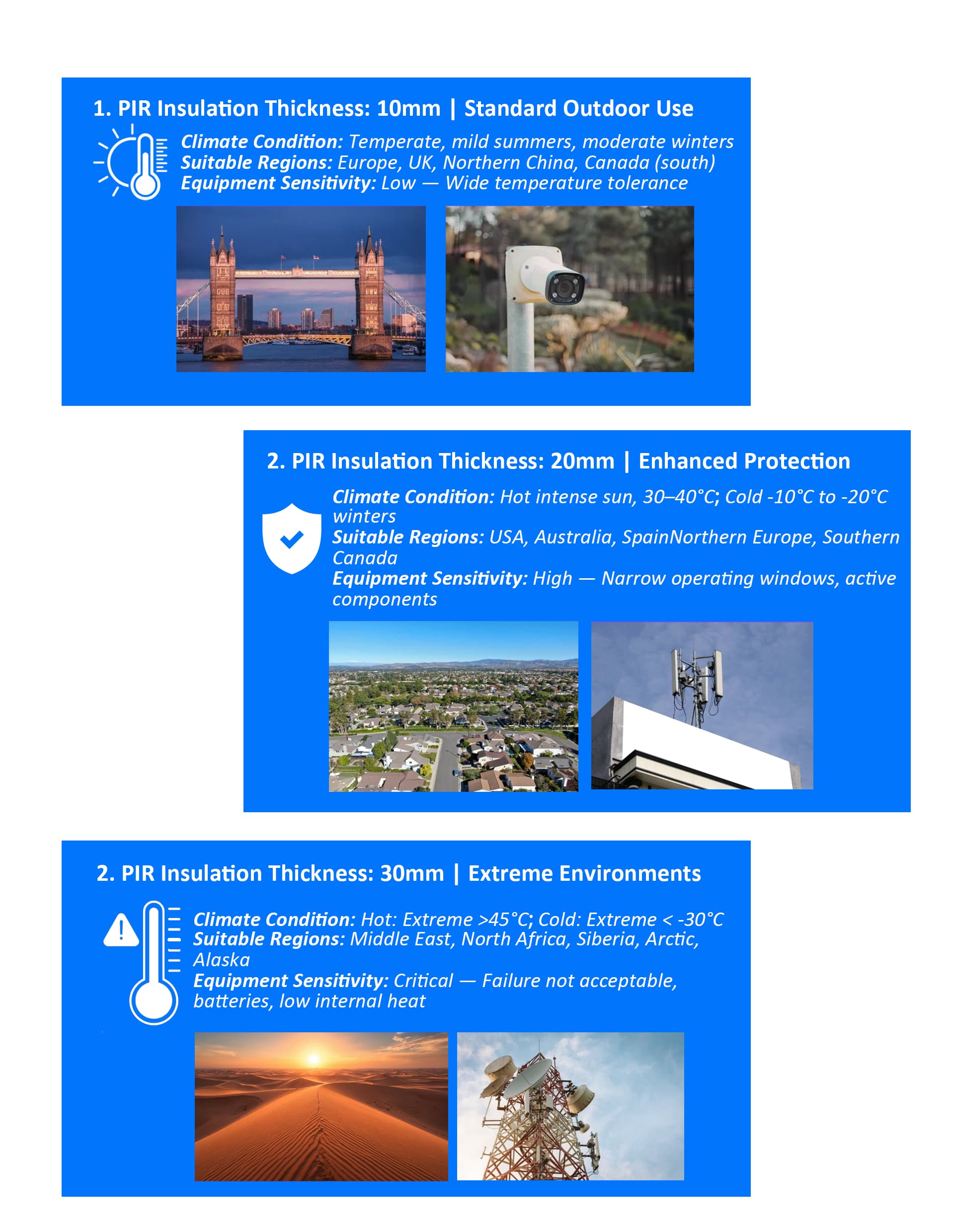
3.3 Recommended Applications by Thickness
Each thickness is designed to address specific environmental challenges:
4. Customization: Your Cabinet, Your Requirements
Every project is unique. Beyond our standard thicknesses, we offer customization options to meet specific customer needs:
Non-standard thicknesses (e.g., 15mm, 25mm) for special thermal requirements
Custom die-cutting for complex cabinet geometries
Integrated sealing at edges and corners to eliminate thermal bridging
Combination with other materials for hybrid solutions where needed
Whether you’re deploying cabinets in the Arctic cold or the desert heat, we can tailor the insulation to match your exact specifications.
Related Products
38U SecurMax Outdoor Enclosure
38U Outdoor Enclosure
42U Outdoor Enclosure
Other News & Insights
The Essential Guide to Busbars
The "19-Inch" Rack
DC vs. AC Outdoor Air Conditioner for Cabinet Cooling