

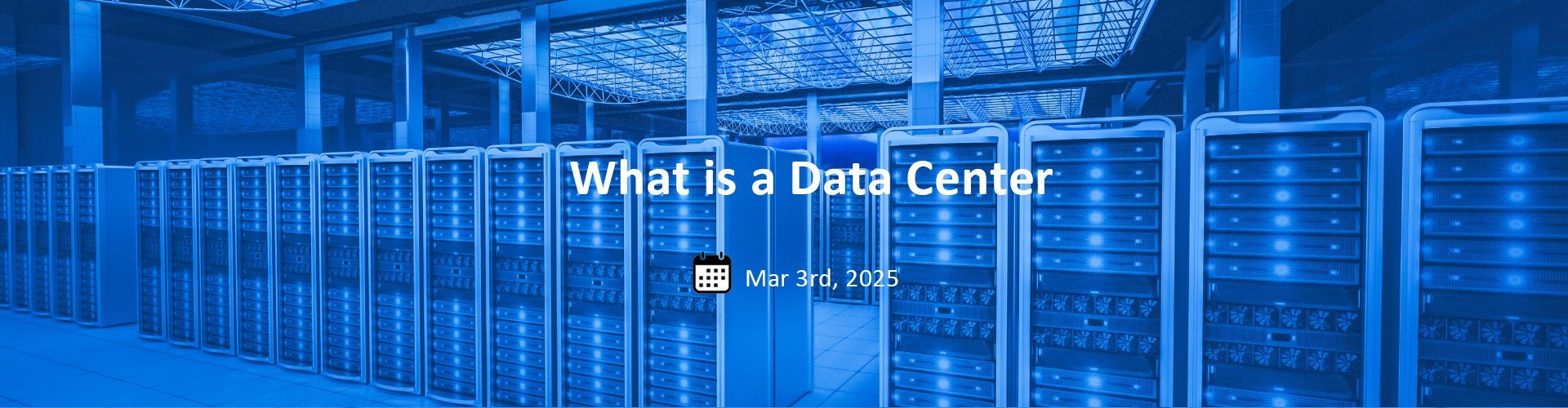
In the digital age, data has become the lifeblood of innovation, powering everything from global commerce to everyday connectivity. With over 5 billion internet users worldwide and the explosive growth of IoT devices, cloud computing, and AI-driven technologies, organizations rely on data to drive decision-making, optimize operations, and deliver personalized experiences. By 2025, experts estimate that 463 exabytes of data will be generated daily—a staggering volume that underscores the need for robust infrastructure to store, process, and secure this invaluable resource. As businesses race to harness data’s potential, the demand for scalable, reliable solutions, like advanced data center enclosures, has never been greater to ensure seamless performance in an increasingly data-driven world.
What is a Data Center?
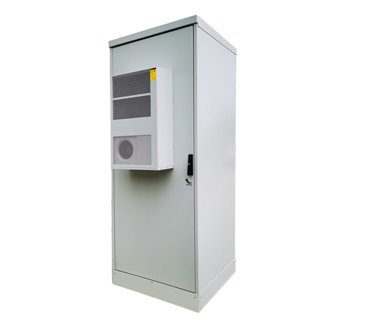
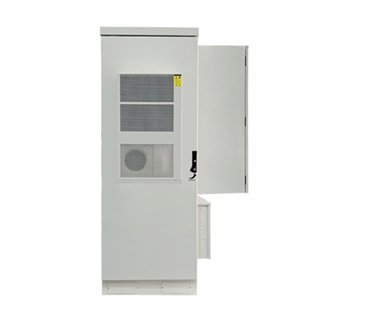
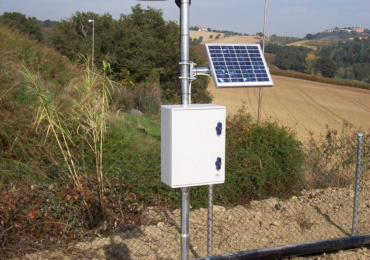
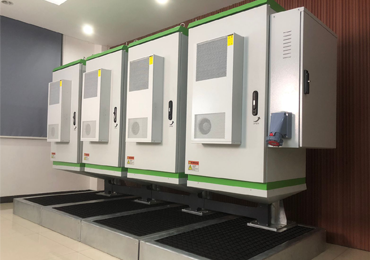
A data center is a centralized facility housing critical IT infrastructure, including servers, storage systems, and networking equipment, designed to store, process, and distribute vast amounts of data. Acting as the digital backbone of modern businesses, data centers ensure seamless operation of applications, cloud services, and online platforms. They incorporate advanced power, cooling, and security systems to maintain uptime and protect sensitive information. With the rise of cloud computing, AI, and IoT, data centers have evolved to support scalable, energy-efficient solutions—often utilizing specialized enclosures like rugged outdoor cabinets for edge deployments or modular indoor cabinets for controlled environments. These facilities are essential for powering today’s data-driven economy.
Key Components of a Data Center
A data center is a complex ecosystem of interdependent components working together to ensure seamless operation, reliability, and security for critical IT infrastructure.
– Servers and storage systems
– Networking equipment (routers, switches)
– Power and cooling systems
– Enclosures

Types of Data Centers
Data centers are specialized facilities designed to house computing systems, storage, and networking infrastructure, serving as the backbone of modern digital operations. They vary significantly based on ownership, scale, and purpose.
– Enterprise data centers.
– Colocation facilities.
– Cloud data centers.
– Edge data centers.
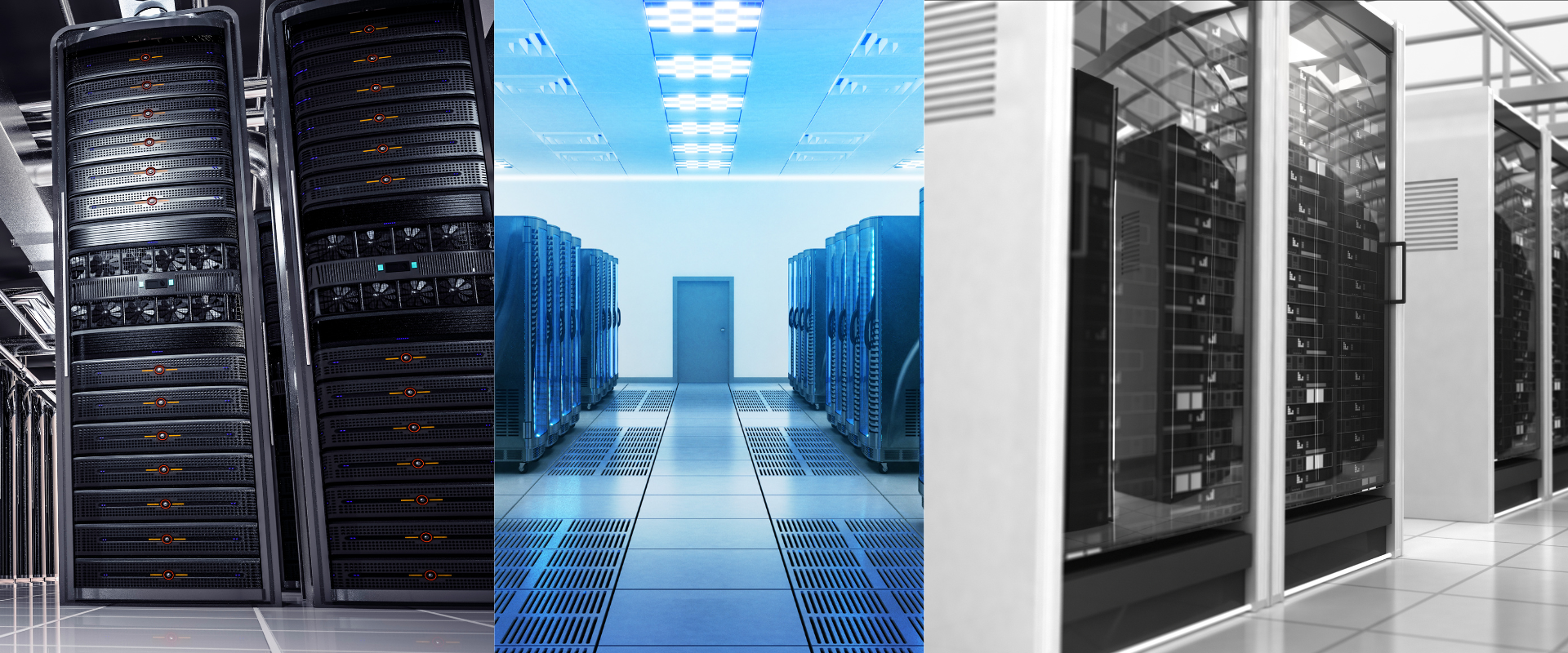
The Role of Cabinets in Data Centers
Cabinets, also known as racks, are foundational elements of modern data centers, serving as the physical framework that organizes, secures, and optimizes critical IT infrastructure. These enclosed metal structures house servers, storage devices, networking equipment, power systems, and cabling, ensuring orderly deployment and efficient management of resources.
Organization and Space Efficiency
Cabinets standardize equipment layout, enabling vertical stacking of hardware in standardized 19-inch or 23-inch widths. This modular design maximizes floor space while maintaining accessibility for maintenance. Adjustable rails and mounting brackets accommodate diverse device sizes, from slim switches to bulky servers. Proper organization within cabinets minimizes cable clutter, reduces airflow obstructions, and simplifies troubleshooting.
Thermal Management
Effective cooling is vital for data center performance, and cabinets play a direct role in managing airflow. Perforated doors, vented side panels, and strategic placement of blanking plates guide cool air to equipment intakes while exhausting hot air via overhead or rear pathways. Advanced cabinets integrate containment systems (e.g., hot/cold aisle enclosures) or liquid cooling solutions to enhance heat dissipation, improving energy efficiency and preventing overheating.
Power Distribution and Safety
Cabinets often incorporate Power Distribution Units (PDUs) to deliver electricity to devices, supporting redundant power sources for uptime resilience. Built-in cable management features, such as vertical and horizontal organizers, secure power and data cables, reducing tripping hazards and electromagnetic interference. Lockable doors and side panels safeguard equipment from physical tampering or accidental damage.
Security and Scalability
Cabinets act as the first line of physical security, with options for biometric locks, RFID access, or surveillance integration. They also enable scalability by allowing incremental hardware expansions without disrupting existing setups. Modular designs support hybrid environments, blending legacy systems with newer technologies.
Operational Continuity
By centralizing equipment, cabinets simplify monitoring and maintenance workflows. Integrated environmental sensors track temperature, humidity, and airflow, enabling proactive adjustments. This structured approach reduces downtime risks and aligns with disaster recovery strategies.
In essence, cabinets are more than passive storage units—they are engineered solutions that enhance reliability, efficiency, and adaptability in data centers. As demands for denser, faster, and greener infrastructure grow, innovative cabinet designs will remain pivotal to balancing performance and sustainability.